Bird Flu, Avian Flu
Avian Flu, Bird Flu
Bird Flu, why does it matter?
I usually write about real estate and homes, and in a loose kind of way bird flu will impact real estate and homes.
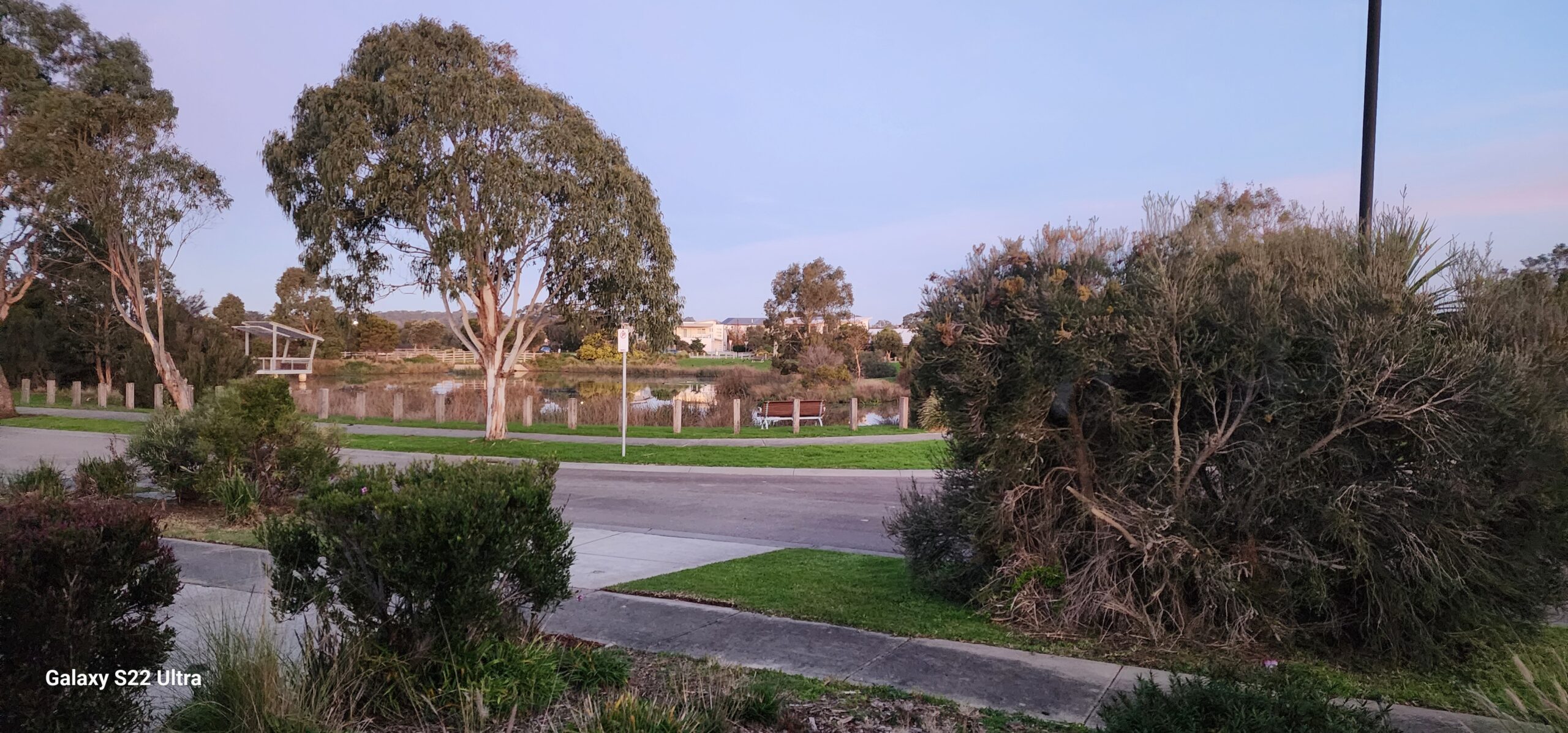
Living across the road from a lake with abundant bird life, the prospect of bird flu strikes hard.
Swans, pelicans, ducks, purple hens, cape barren geese and those weird uber territorial squawking birds are all part of my day. When I gaze out my office window there is always something going on in and around the water.
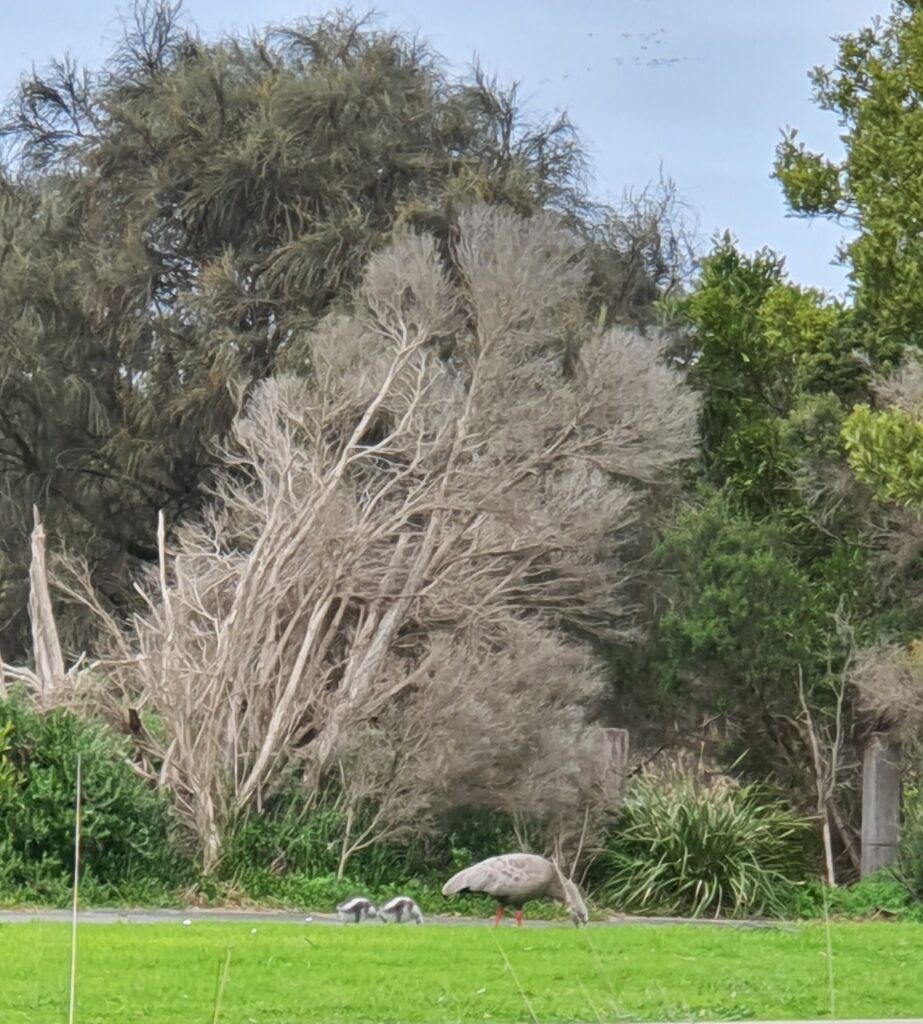
The geese have had babies. These prehistoric looking geese have produced two little goslings.
What happens to them with bird flu?
The little penguins are going to be vaccinated both here and in St Kilda. Not all of them but a large number of them. Who gets chosen? “Worst-case scenario modelling has suggested penguin deaths could range between 8,000 to 16,000 in the instance of a six-week outbreak on Phillip Island”
Are they aware that a virus is doing the rounds that will decimate their population?
Of course, covid springs to mind. The impact on our population, our mindset, our attitude towards our fellow humans. The locking down of our Aged Care, our job sites, our schools. Wearing masks, distance requirements, sanitisation, and deep hand washing. All but forgotten now.
Humans are prolific, we endured, most survived, some didn’t.
If our birds die in numbers, then what happens to their food source and their predators?
How long will it take for them to recover? Will they all recover or will some birds hit the endangered list?
I like looking at the birds. Imagining a world without them is horrible. What can we do to prevent the spreading of the bird flu? Masks, and hand sanitising, clearly is not possible. There is only so much vaccine.
Your cat is susceptible, as is your dog. Keeping your dog on a lead when out walking is recommended, Some of the bird flu symptoms in mammals such as cats and dogs were seizures, tremors, walking in circles and drooling or a runny nose.
The RSPCA recommends pet owners, especially those with cats, to avoid raw or unpasteurised animal-based diets.
The charity said overseas bird flu cases in cats have been connected to contact with infected wild birds or eating contaminated raw animal products.
Professor French said that was another reason pet owners should be vigilant about their pets scavenging the carcasses of dead birds.
It is recommended that if you see dead birds or sea life to report your findings and do not touch it.
“Avoid contact with that animal. It’s really helpful to record what they see, and then call the hotline and advice will be provided.”
If you see a sick or dead bird:
- Do not touch it.
- Take note of the location and, if possible, take photos.
- Report it to the Emergency Animal Disease Hotline: 1800 675 888.
Domestic animals are not immune. Nor are humans. Avian flu has far reaching implications.